Hobcaw Point's History
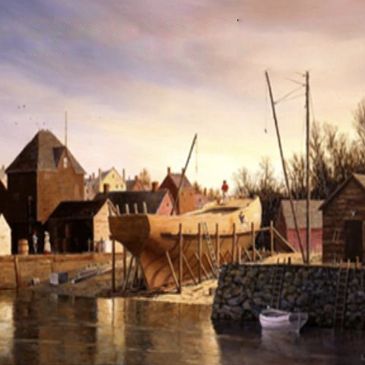
Shipyard
American Revolution
American Revolution
The shipyard at Hobcaw Point was the center of activity centuries ago: the heart of the shipyard, the site of ship construction and repair and the slipways where ocean going vessels were launched. It was even the site of the SC Revolutionary Navy during the Revolutionary War.
American Revolution
American Revolution
American Revolution
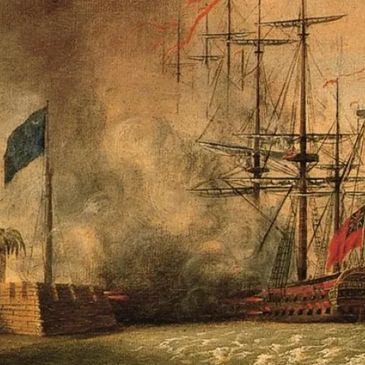
By the time of the American Revolution Hobcaw Point was so significant a shipyard that in 1770 the South Carolina colonial government authorized construction of a powder magazine for its protection and the protection of the various Wando River Plantations. It was even the site of the SC Revolutionary Navy during the Revolutionary War.
Power Magazine
American Revolution
Power Magazine
A four-sided earthen embankment with a brick powder magazine and guardhouse stood near here from 1772 to 1783, on the land of Capt. Clement Lempriere. A detachment of colonial militia was assigned to protect the magazine. The site is the only remnant of what happened in this area from the early 1700’s to the almost the Civil War. After
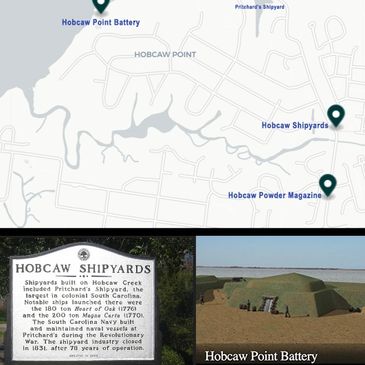
A four-sided earthen embankment with a brick powder magazine and guardhouse stood near here from 1772 to 1783, on the land of Capt. Clement Lempriere. A detachment of colonial militia was assigned to protect the magazine. The site is the only remnant of what happened in this area from the early 1700’s to the almost the Civil War. After the Civil War, the site was virtually untouched for another 100 years.